
About: The East Bay Regional Park District (EBRPD) is the largest regional park system in the country, managing more than 125,000 acres across 74 parks, shorelines, preserves, and wilderness areas in Alameda and Contra Costa counties, connected by more than 1,300 miles of trails and drawing roughly 25 million visits a year. The District’s lands span a vast range of habitats for a single agency, from salt marsh and managed wetlands, oak savanna and grassland, chaparral, redwood canyons, and the ridgelines of the Diablo Range. It also sits directly against one of the most densely populated metropolitan areas in the western United States, the San Francisco Bay.
Conservation efforts: The District regularly confronts conflicts between habitat protection and pressures from development, recreation, and invasive species. To address such conflict, the District implements a variety of measures geared towards identifying priority habitat, developing restoration and management plans, and conducting and publishing research on species that depend on District lands, including the Alameda Whipsnake, California Tiger Salamander, California Least Tern, Western Snowy Plover, and Golden Eagle, to guide its conservation decisions. The park also has programs that focus on mitigation of nonnative species threats to native habitats, sensitive plant and animal communities, water quality, and other resources, addressed through a coordinated, science-based management program developed in partnership with neighboring land managers. Additionally, In 2022, EBRPD and its East Bay Stewardship Network partners released NatureCheck, the first ecological health assessment of its kind for the East Bay, establishing a baseline across 272,000 acres of public land to track wildlife condition and habitat health over time. Tilden Regional Park is also home to the District’s Regional Parks Botanical Garden, which was established in 1940 and is a living museum of California native plants and a refuge for many of the state’s rarest and most endangered species.
Our Role: WI has supported EBRPD conservation efforts as a part of multiple wildlife management programs. At Hayward Regional Shoreline, one of the few remaining California Least Tern nesting sites on San Francisco Bay, our biologists conduct physical and digital surveillance of nesting and adjacent areas for Terns, Western Snowy Plovers, and their predators, also assists with predator nest searching and as-needed capture, banding, and translocation.
At the Regional Parks Botanical Garden, staff had documented repeated damage to native plants, including special-status species and the seed collections that safeguard them, from browsing and foraging wildlife, a pattern appearing to worsen over time. In response, WI was contracted to work with garden staff to develop nonlethal management strategies to reduce herbivory pressure on the living collections and seed banks, protecting plants that in some cases represent a meaningful share of what remains of their species.
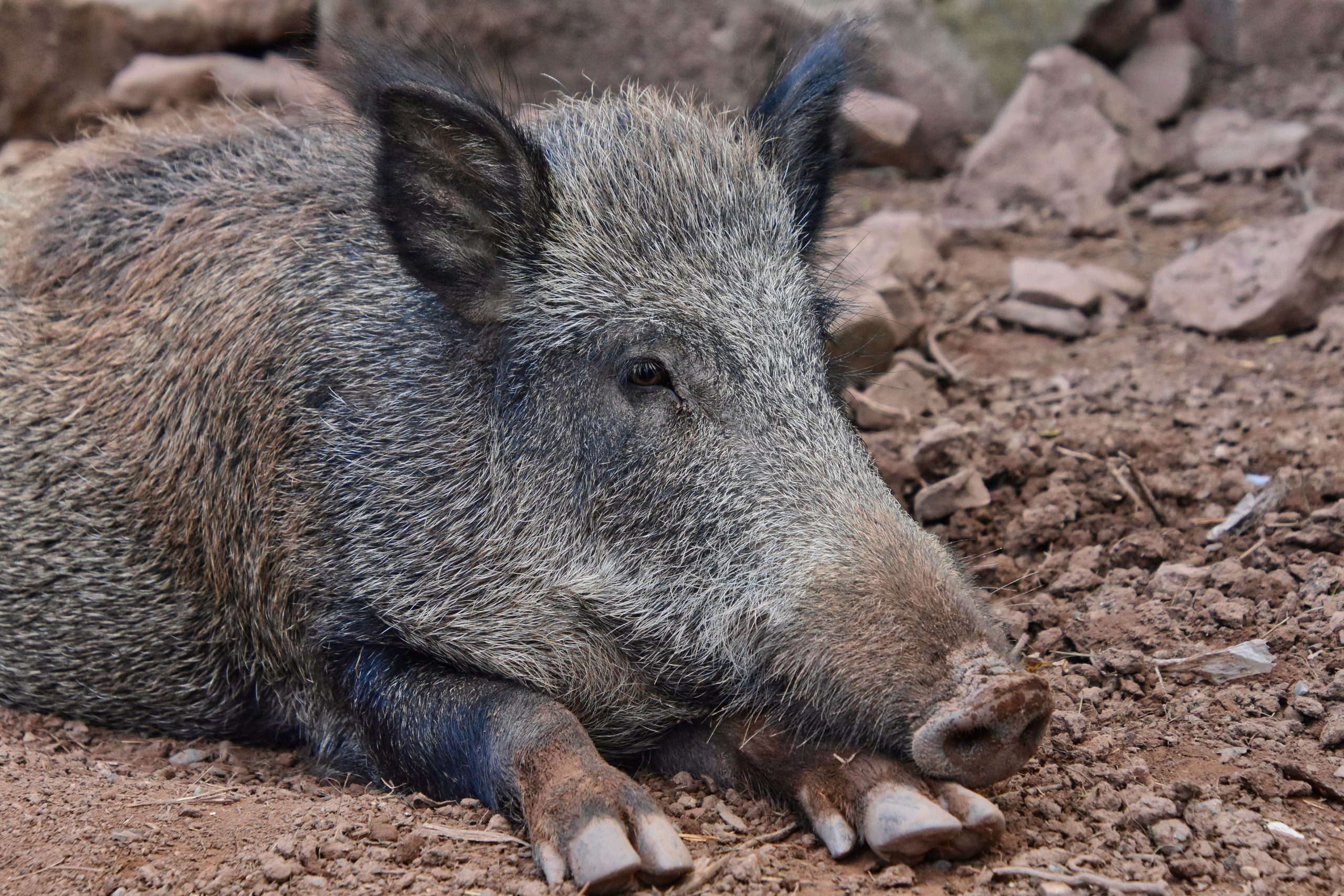
In 2024, WI authored the East Bay Stewardship Networks Integrated Adaptive Wild Pig Management Plan, covering lands spanning five agencies and four counties, including Alameda, Contra Costa, Santa Clara, and San Joaquin. The Plan established short- and long-term program goals, identified how to strengthen data collection, and gave recommendations for resources and program components to enhance management strategies effectively and sustainably across agency boundaries. At Pleasanton Ridge Regional Park, WI is testing and evaluating modern and innovative strategies to detect, monitor, and manage wild pig populations effectively, as part of mitigation efforts for threats to natural resources, park visitors, and park infrastructure. Some components include aerial surveillance, remote baiting, trap triggering, and camera monitoring, all of which are continually refined based on what proves most effective in the field.