 Wildlife Innovations
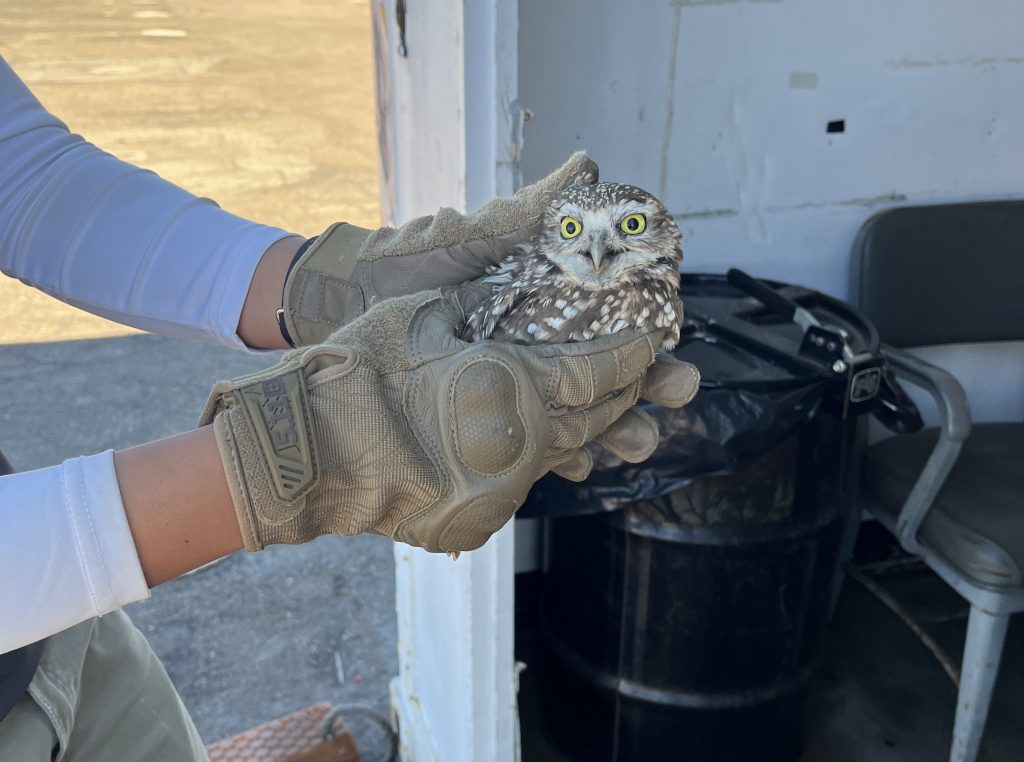
Every Response Counts
We respond when wildlife needs us most, supporting everyday rescue efforts or high impact oil spills. Whether it’s an oiled bird pulled from the surf or a shorebird tanged in fishing line, our team shows up ready to help.
From wildlife management to rescue across California. Small team, big impacts, and the kind of experience that sets you apart
We respond when wildlife needs us most, supporting everyday rescue efforts or high impact oil spills. Whether it’s an oiled bird pulled from the surf or a shorebird tanged in fishing line, our team shows up ready to help.
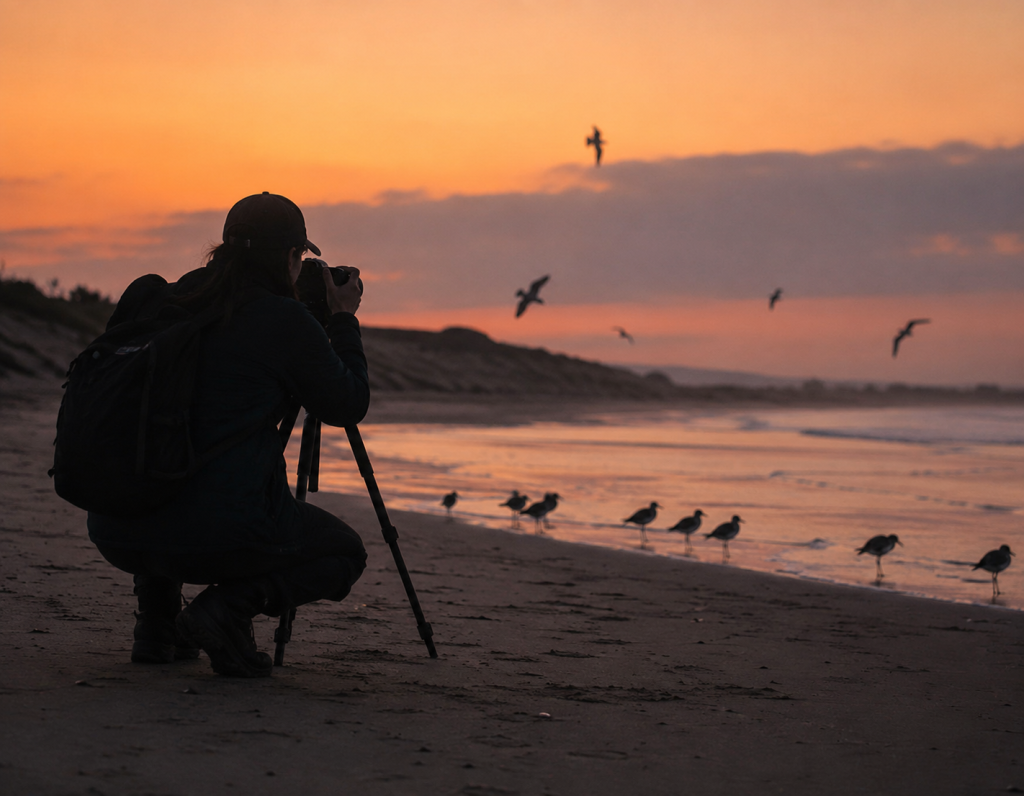
Balance time outdoors with the work that makes it count. You'll collect the data in the field, then analyze, map, and report it, gaining experience on both sides of the job.
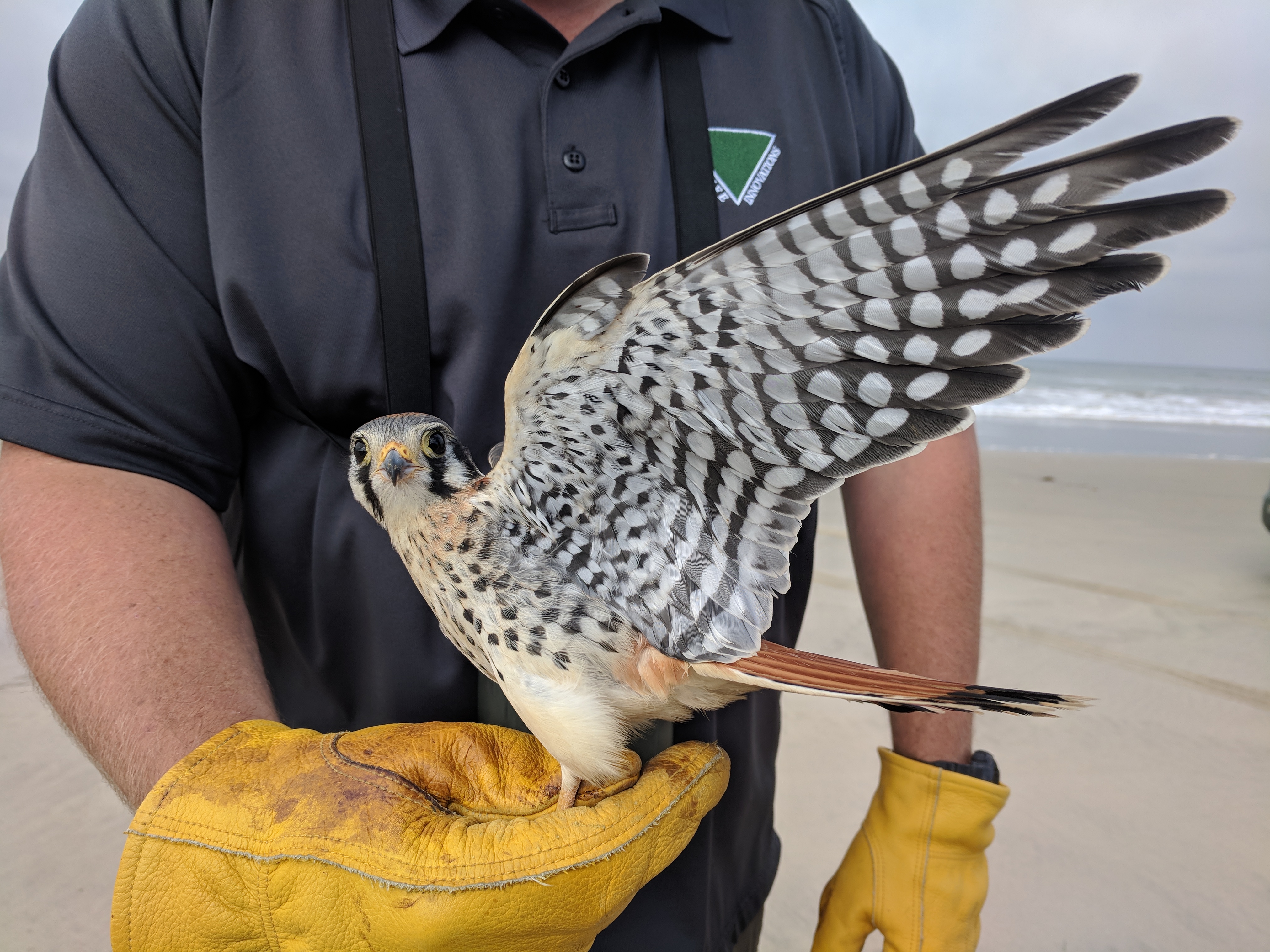
Wildlife Innovations is a small team of field biologists working on some of California's most sensitive species and sites. The work is hands-on and often demanding, but it directly affects whether the species we manage survive.
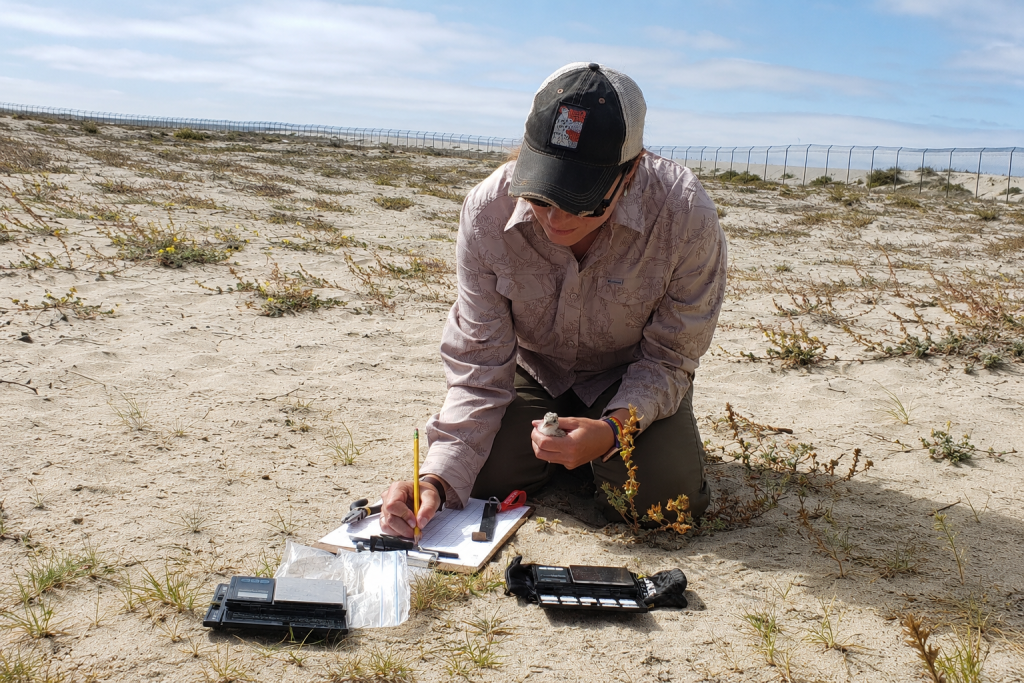
Get hands-on training in specialized wildlife management techniques, from surveillance to capture and marking methods. Our biologists are often cross-trained on multiple projects and skills supporting team growth and project success.
Select a role to read the full description.
THE ROLE
The Predator Biologist conducts and/or oversees surveillance, research, and targeted management of high threat predators of special status species, including but not limited to nesting California Least Terns and Western Snowy Plovers, in coastal San Diego, Orange, and/or Los Angeles Counties. This is applied and adaptive conservation work, with the data collected used to help steer management efforts both locally and regionally, with the goal of developing and implementing innovative equipment and techniques to increase program efficiency, reduce negative impacts to native predator populations, and achieve recovery goals.
Day-to-day operations will be based on predator and prey activity, driven by diurnal and nocturnal physical and digital surveillance of nesting and adjacent areas and post-predation site investigations. Active management of high-threat individuals may include a variety of non-lethal and lethal tactics tailored to the species, behavior, and permit conditions. All activity will be digitally collected and analyzed for technical reporting and further development of the programs. Work may include development and testing of experimental techniques to address special status species conflict and GPS tracking of predator movements. Additionally, some work may require injured and contaminated wildlife recovery and transport, as part of on-call rescue projects or oil spill response.
WHAT YOU’LL DO
This list is representative, not exhaustive; additional duties may be assigned.
ABOUT WILDLIFE INNOVATIONS
Wildlife Innovations (WI) is a DGS-certified small/micro business specializing in wildlife research, surveillance, monitoring, and management. WI provides support for a variety of tasks, such as listed species protection and recovery, environmental compliance, wildlife rescue, hazing, and transport, human health and safety, and conflict and damage mitigation. Our work spans across a diverse set of landscapes, including construction sites, airports, military installations, ports, and state and city parks and beaches. Our approach is grounded in the relationships between species in local ecosystems and the stressors created by human modification of the landscape; for this, we use a combination of historic and advanced monitoring, surveillance, and management techniques to help resolve wildlife conflicts, improve outcomes, and support the recovery of focal species. Most staff are cross-trained across multiple projects and techniques to provide more adaptive and expedited responses
QUALIFICATIONS
|
Required
|
Preferred: Highlight any that apply
|
Working conditions
COMPENSATION AND BENEFITS
The application form asks for your contact details, the permits you hold and where you can work. Please be specific about your relevant experience and include permit numbers where you have them, as applications that do not address these will not be considered.
THE ROLE
Wildlife Innovations is building a bench of experienced avian biologists we can call on for nesting bird surveys, preconstruction avian surveys, nest and burrow monitoring, and compliance monitoring for sensitive and special-status species across coastal Southern California. Assignments are matched to your availability and to project schedules; there is no minimum hours commitment.
This is a flexible, project-based role well suited to a biologist who wants variable hours, the ability to pick up assignments around an existing schedule, and potential opportunities for specialized training. Further, biologists who demonstrate exemplary performance may be offered the chance to join the Wildlife Innovations’ full-time team.
WHAT YOU’LL DO
This list is representative, not exhaustive; additional duties may be assigned.
ABOUT WILDLIFE INNOVATIONS
We are a DGS-certified small/micro business specializing in wildlife research, monitoring, and management. Our mission is to support the protection and recovery of listed species, help clients maintain environmental compliance, rescue injured and contaminated wildlife, and mitigate risks to human health and safety. We work across active construction sites, airports, military installations, ports, and state and city parks, with most of our staff cross-trained across various projects, including those requiring specialized training and certifications.
Our work is grounded in understanding the relationships between species in local ecosystems and the stressors created by human modification of the landscape. We use advanced monitoring and surveillance techniques to design strategies that resolve wildlife conflicts, reduce impacts during construction, improve management outcomes, and support the recovery of focal species.
QUALIFICATIONS
|
Required
|
Preferred: Highlight any that apply
|
Skills and abilities
Physical requirements
COMPENSATION AND ENGAGEMENT
The application form asks for your contact details, the permits you hold and where you can work. Please be specific about your relevant experience and include permit numbers where you have them, as applications that do not address these will not be considered.
The Dog Team Handler is the primary handler for Wildlife Innovations’ Canada Goose hazing dog team, the front line of an adaptive, science-based goose management program in city and state parks across the San Francisco Bay Area. Working alongside our wildlife biologists, you run daily patrols of high-conflict parks and waterfronts, deter geese with your assigned dog, and document what works, so the program stays humane, regulatory-compliant, and driven by evidence.
This is a field-intensive job and a partnership with a working dog: you house, care for, and maintain the training of your assigned dog, and the dog’s performance is part of your record. Handlers who perform well have a path into management roles and into our other conservation and wildlife management programs.
This list is representative, not exhaustive; additional duties may be assigned.
We are a DGS-certified small/micro business specializing in wildlife research, monitoring, and management. We support the protection and recovery of listed species, help clients maintain environmental compliance, rescue injured and contaminated wildlife, and mitigate risks to human health and safety, working with state and federal agencies, municipalities, and other stakeholders across construction sites, airports, military installations, ports, and city and state parks. Our approach is grounded in the relationships between species in local ecosystems and the stressors created by human modification of the landscape; we use advanced monitoring and surveillance techniques to resolve wildlife conflicts, improve management outcomes, and support the recovery of focal species. Most staff are cross-trained across projects, with strong mentorship, professional development, and clear paths for advancement.
| Required | Preferred: Highlight any that apply |
|
|
Working conditions
The application form asks for your contact details, the permits you hold and where you can work. Please be specific about your relevant experience and include permit numbers where you have them, as applications that do not address these will not be considered.
The Wildlife Biologist / Management Specialist is a field lead on a comprehensive, adaptive Canada Goose management program in San Mateo County, addressing human health and safety conflicts in city and state parks while protecting the sensitive resources those parks exist to conserve. The program pairs active deterrence and hazing with nest surveys, egg addling, biological monitoring, and public outreach, and every management decision is driven by the data you collect.
Day to day, the work combines hazing with audial and visual deterrents, high-powered lasers, aerial and amphibious drones, and boats; nest surveys and mapping; direct and digital wildlife surveillance; data collection and reporting; and close coordination with a dog hazing team, park staff, and the public. For biologists who prove themselves, this program is a doorway into the rest of our Bay Area portfolio: threatened and endangered birds, birds of prey, wild pigs, mountain lions, and other predators, with satellite tracking, thermal optics, remote-controlled vehicles, and remote sensing in the toolkit.
This list is representative, not exhaustive; additional duties may be assigned.
We are a DGS-certified small/micro business specializing in wildlife research, monitoring, and management. We support the protection and recovery of listed species, help clients maintain environmental compliance, rescue injured and contaminated wildlife, and mitigate risks to human health and safety, working with state and federal agencies, municipalities, and other stakeholders across construction sites, airports, military installations, ports, and city and state parks. Our approach is grounded in the relationships between species in local ecosystems and the stressors created by human modification of the landscape; we use advanced monitoring and surveillance techniques to resolve wildlife conflicts, improve management outcomes, and support the recovery of focal species. Most staff are cross-trained across projects, with strong mentorship, professional development, and clear paths for advancement.
| Required | Preferred: Highlight any that apply |
|
|
Working conditions
The application form asks for your contact details, the permits you hold and where you can work. Please be specific about your relevant experience and include permit numbers where you have them, as applications that do not address these will not be considered.