About: The San Diego Bay Metro Naval Bases, including Naval Base Coronado (NBC), Naval Base San Diego (NBSD), and Naval Base Point Loma (NBPL), form the largest concentration of naval power on the West Coast and the operational core of Navy Region Southwest. Naval Base San Diego is the principal homeport of the Pacific Fleet, berthing more than 50 ships along the bay’s eastern shore; Naval Base Point Loma hosts the Navy’s West Coast submarine base, fleet fuel depot, and research and information warfare commands on the peninsula that guards the bay’s mouth; and Naval Base Coronado supports carrier, helicopter, and Naval Special Warfare operations from the western shore. Together, the three installations ring San Diego Bay with piers, drydocks, airfields, ordnance and fuel facilities, industrial maintenance yards, and housing, all of it shared with a bay that remains one of the most biologically productive estuaries in Southern California and a stop on the Pacific Flyway.
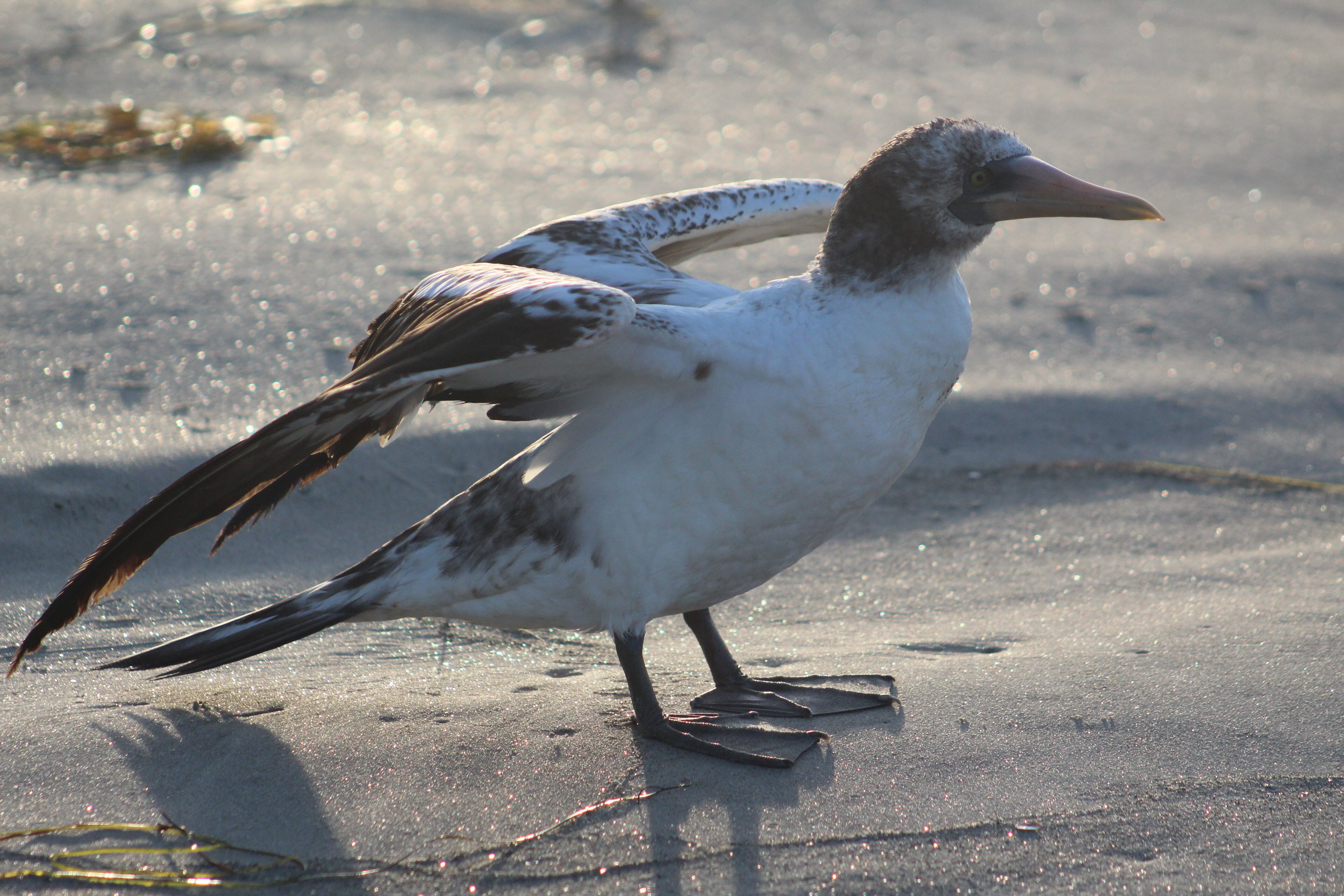
Wildlife Conflict: The Navy manages wildlife on these installations under the Sikes Act, the Migratory Bird Treaty Act, the Endangered Species Act, and a suite of state protections, guided by installation Integrated Natural Resources Management Plans and the San Diego Bay INRMP the Navy maintains jointly with the Port of San Diego. On a working military base, the hardest part of that obligation is often not habitat but proximity. Herons and egrets nest in ornamental trees above parking lots and piers; songbird nestlings fall from rooftops onto flight lines; California Brown Pelicans and other seabirds foul themselves in discarded fishing line and take refuge under docks and alongside moored ships; wading birds weakened by steatitis, a fat-tissue disease that leaves them disoriented and flightless, wander into roadways, hangars, and offices. Every one of these situations places an animal, and even military personnel or contractors, near hazardous materials, energized equipment, vehicle traffic, or active operations. In some cases, it may mean restricting access to the area, securing the animal, and transporting it to a licensed wildlife rehabilitation facility, work that can require trained personnel, permits, and equipment the installations do not maintain in-house.
Our Role: WI provides year-round capture and transport of injured, ill, and orphaned wildlife across San Diego Navy Metro, delivering each animal to a licensed wildlife rehabilitation organization for care in compliance with state and federal law. Our biologists respond and work within installation access and safety protocols to secure animals from a variety of structures and environments while minimizing disruption to operations. Additionally, every response is documented and analyzed over time to help identify where and why wildlife is coming into conflict with Navy activities and recognize emerging patterns as they develop, allowing for proactive, adaptive management measures for the Navy that may help reduce injuries before they occur.