About: The Oiled Wildlife Care Network (OWCN) is a statewide California program headquartered at the Karen C. Drayer Wildlife Health Center in the UC Davis School of Veterinary Medicine. It was established in 1994 in partnership with the California Department of Fish and Wildlife’s Office of Spill Prevention and Response, created under the state’s landmark Lempert-Keene-Seastrand Oil Spill Prevention and Response Act in the aftermath of the 1989 Exxon Valdez disaster in Alaska and the 1990 American Trader spill off Huntington Beach, two events that shed light on how unprepared the country was to rescue and treat wildlife at the scale a major spill demands. OWCN’s founding vision was to make California the most proactive region in the world for oiled wildlife response, and it has since become the model for wildlife disaster networks nationally and abroad, providing support to responses from Deepwater Horizon in the Gulf of Mexico to the Prestige spill in Spain and the M/V Rena grounding in New Zealand. To meet that demand, OWCN operates as a permanent, drilled readiness network rather than an ad hoc response, with more than 40 member organizations and numerous specialized primary care facilities and equipment caches positioned along the California coast and inland.
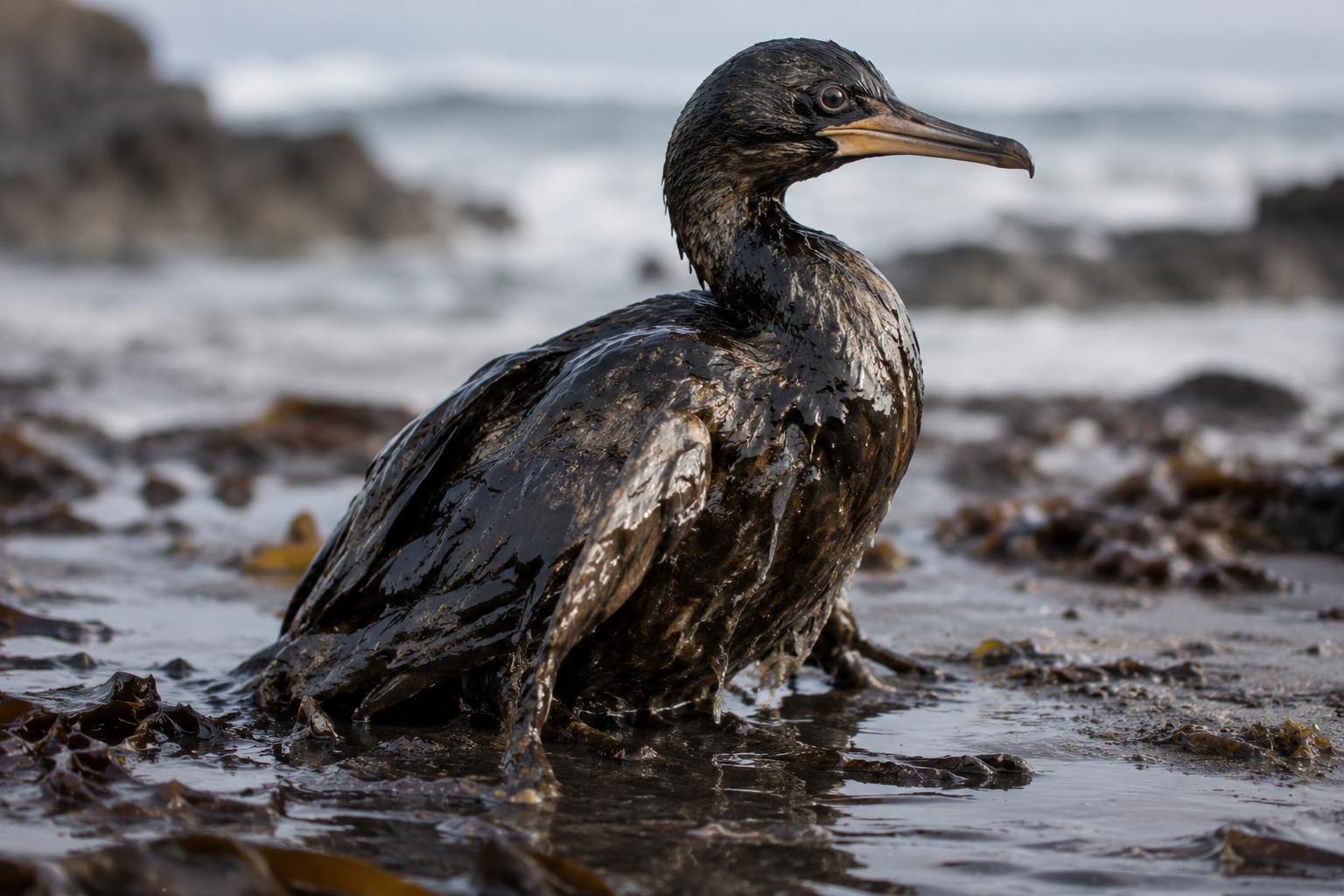
Wildlife Impacts During Spills: Oil poses an acute and sudden threat to wildlife. It strips the waterproofing and insulation from feathers and fur, leaving animals unable to regulate body temperature or float, impairs mobility and flight, and is ingested as animals attempt to preen or groom themselves clean, causing internal damage that compounds every hour an animal remains in the environment. For such cases, wildlife that are contaminated depend on speed for survival.
Our Role: WI is a member organization of the OWCN, with our biologists trained and credentialed to deploy, on request, to spill responses in two specialized roles. As Recovery Specialists, biologists work within spill sites and adjacent areas during critical hours of a response, locating, safely capturing, and stabilizing oiled animals in the field prior to transport to a primary care facility. As Hazing and Deterrence Specialists, our biologists employ deterrent and hazing techniques with the objective of reducing wildlife exposure to contaminants, keeping unoiled wildlife away from contaminated areas so that fewer animals require rescue in the first place. Both roles are governed by OWCN’s protocols and the Incident Command System overseeing the response, with the goal of giving animals the best achievable chance of surviving an event that would otherwise kill them.