
About: The Department of Defense’s Readiness and Environmental Protection Integration (REPI) Program, established by Congress in the Fiscal Year 2003 National Defense Authorization Act, exists to solve a persistent problem that has grown steadily over the years. Since the 1990s, the land around military installations have been in a state of continuous development, with the habitat inside the fence line becoming the last of its kind. The disappearance of critical wildlife habitat off base often concentrates some threatened and endangered species on installations, where their protection can restrict the very ranges the installation exists to operate. REPI addresses both by funding cost-sharing partnerships between the military services, other federal agencies, state and local governments, and conservation organizations under 10 U.S.C. § 2684a, the Sikes Act, and Intergovernmental Support Agreements.
Conservation Efforts: REPI’s original focus was on conservation easements in which it began buying development rights to working farms, ranches, and forests near an installation, so the land stayed open and the mission remained viable; however, the program’s range has broadened well beyond land protection and now funds off-base natural resource management that directly relieves regulatory restrictions on base: habitat restoration, prescribed fire, invasive species control, and the recovery of listed species on partner lands so that the burden of protecting them no longer falls on the installation alone. Since 2013, the Sentinel Landscapes Partnership with the Departments of Agriculture and the Interior has scaled this approach to whole regions, and the annual REPI Challenge competitively funds the most innovative proposals. From FY 2003 through FY 2024, DoD leveraged roughly $1.5 billion in REPI funds against $1.3 billion in partner contributions to protect more than 1.3 million acres at 140 locations in forty states and territories, a nearly one-to-one match that makes it one of the largest and most cost-effective conservation programs in the federal government.
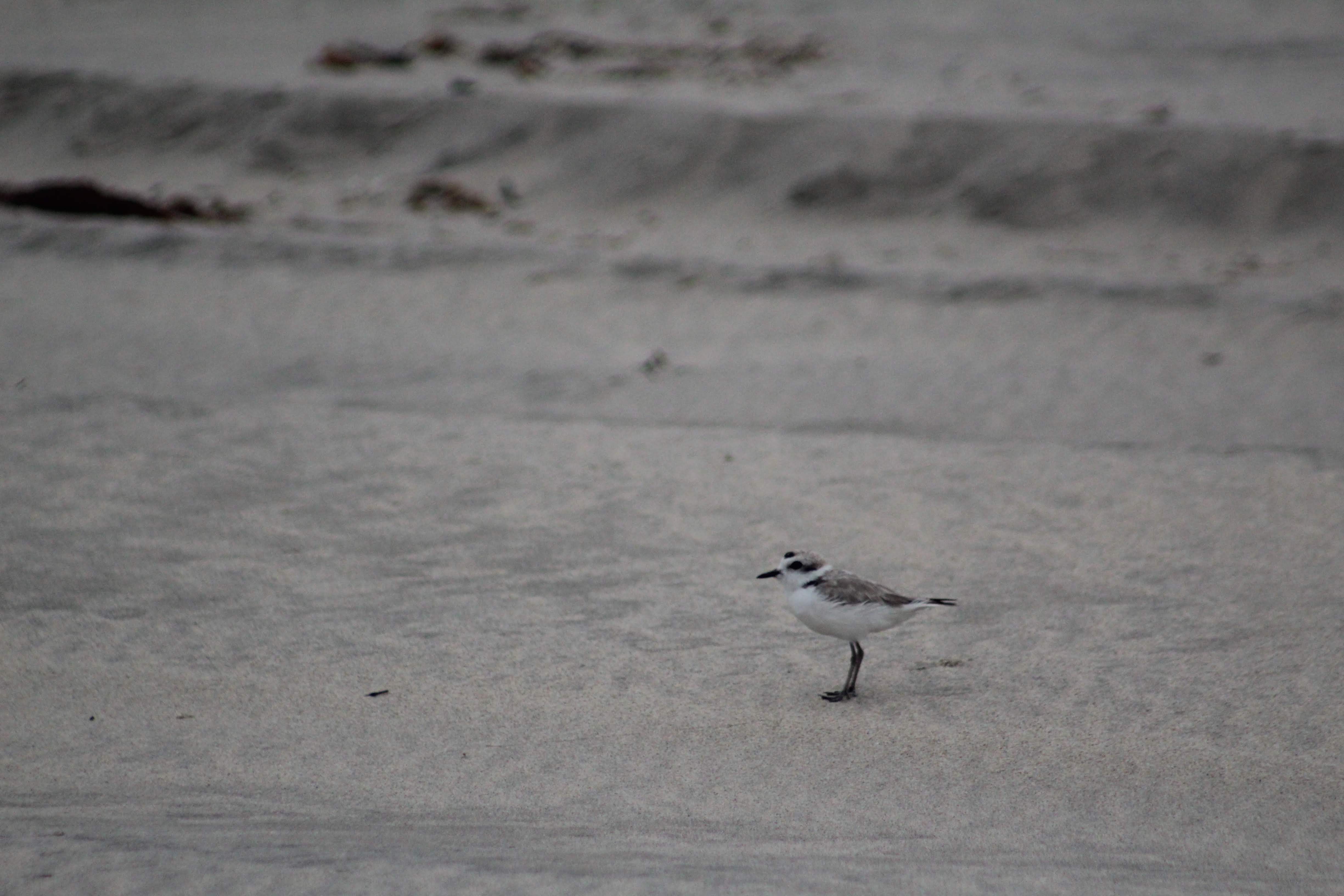
Our Role: Marine Corps Base Camp Pendleton awarded WI REPI Challenge funding to carry out tasks identified in the California Least Tern Species Action Plan in support of RASP, the first a California Least Tern Nesting Site Atlas. The Atlas is a single, consistent reference compiling the nesting sites across the species’ range, allowing the agencies, installations, and land managers responsible for them to work from an easily accessible and standardized database. The second helps establish a baseline predator management plan for the California Least Tern and Western Snowy Plover. As predation is a leading cause of nest and chick loss at many sites, and the quality of predator management varies widely among sites, the plan draws on WI’s work at various nesting sites throughout California and helps present clear guidance on predator identification, monitoring methods, and intervention strategies for both avian and mammalian predators, giving land managers a consistent, science-based approach they can utilize for the development of site-specific management plans.