
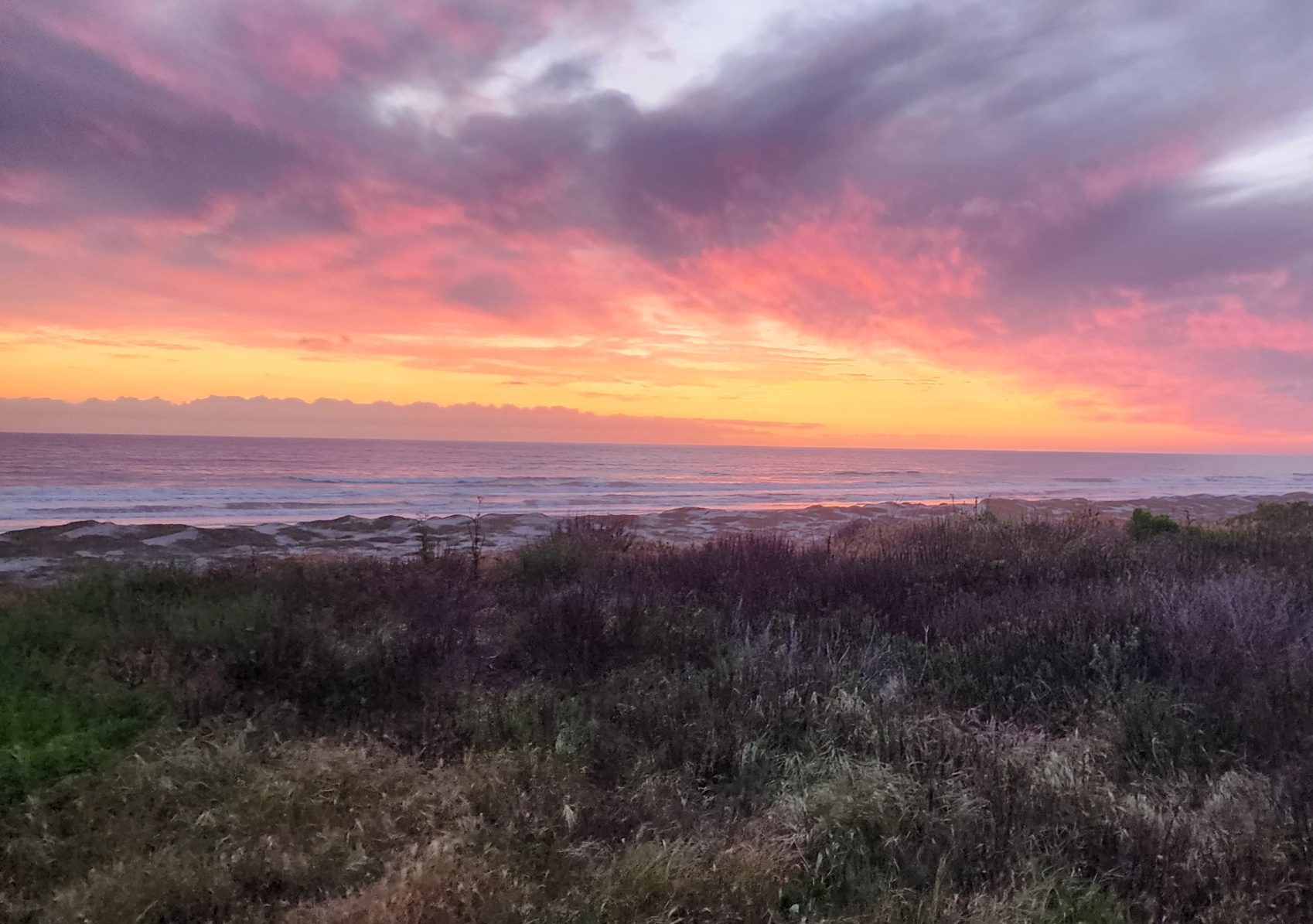
About: Marine Corps Base Camp Pendleton (MCBCP) is the Marine Corps’ premier West Coast amphibious training base, supporting ground, sea, and air operations and training for I Marine Expeditionary Force, 1st Marine Division, and their associated commands. Spanning more than 125,000 acres in northern San Diego County between the cities of Oceanside and San Clemente, the installation encompasses live-fire ranges, amphibious landing beaches, maneuver areas, Marine Corps Air Station Camp Pendleton, and residential and operational facilities, along with roughly 17 miles of the largest remaining stretch of undeveloped coastline in Southern California. The base’s beaches, estuaries, and inland training areas collectively support amphibious assault, combined-arms, aviation, infantry, and expeditionary training across the full range of Marine Corps operations.
Conservation efforts: Operating a large active military base means Camp Pendleton must balance training exercises, infrastructure, and operational readiness against the needs of the sensitive habitat within its boundaries. This land has remained largely undeveloped compared to the surrounding region and, as a result, supports an unusually high concentration of threatened and endangered species. The base’s Environmental Security Department manages habitat for 19 such species, including the least Bell’s vireo, California least tern, western snowy plover, coastal California gnatcatcher, tidewater goby, and arroyo toad, working to ensure military activities don’t come at the expense of species survival. This work has proven significant enough that two species (the gnatcatcher and kangaroo rat) have been downgraded from endangered to threatened. The base received the U.S. Fish and Wildlife Service’s Military Conservation Partner of the Year award in 2022 for its significant contributions to natural resource management and listed species. MCBCP also participates in the Readiness and Environmental Protection Integration (REPI) Program, a key initiative run by the U.S. Department of Defense (DoD) to support conservation initiatives while protecting military training, testing, and operational capabilities, which extends conservation efforts onto adjacent civilian land to buffer the base from encroaching development that could otherwise compound pressure on these species.
Our Role: WI supports tern and plover recovery efforts at MCBCP through targeted predator surveillance and management techniques. Day and nighttime surveillance, sign identification, and predation investigations help identify the highest threat predators and direct the most appropriate management techniques to those individuals, reducing negative impacts to the native predator populations. WI has also conducted targeted predator management to support the federally endangered Pacific Pocket Mouse recovery. All data are documented and georeferenced to help wildlife biologists and base staff track trends over time and adapt management strategies more quickly as conditions change during the nesting season.