About: Naval Base Coronado (NBC) supports a wide range of ground, sea, air, and undersea operations and training activities for SEAL Teams, helicopter squadrons, aircraft carriers, and associated commands. The installation encompasses military training areas, residential areas, and operational facilities adjacent to the cities of Coronado and Imperial Beach, extending south along the Silver Strand in San Diego County, California. The installation spans Naval Air Station North Island, Naval Amphibious Base Coronado, and the Silver Strand Training Complex-South, bases that collectively support a variety of Naval Special Warfare training, Special Warfare Combatant Craft Crewmen, Explosive Ordnance Disposal, and clandestine littoral operations.
Conservation efforts: NBC balances its training operations while conserving its natural resourcesunder an Integrated Natural Resources Management Plan (INRMP), comprising coastal dune, beach, and other habitats. That program encompasses such tasks as coastal dune restoration, species habitat management, wildlife (including special status species) conservation, wildlife rescue, public outreach and beach stewardship, and wildlife research and management. These efforts, more specifically for the California Least Terns and Western Snowy Plovers Management and Research Program, have resulted in NBC receiving multiple awards for conservation over the years, including the more recent 2026 Natural Resources Conservation Management, Model Programs/Projects award.
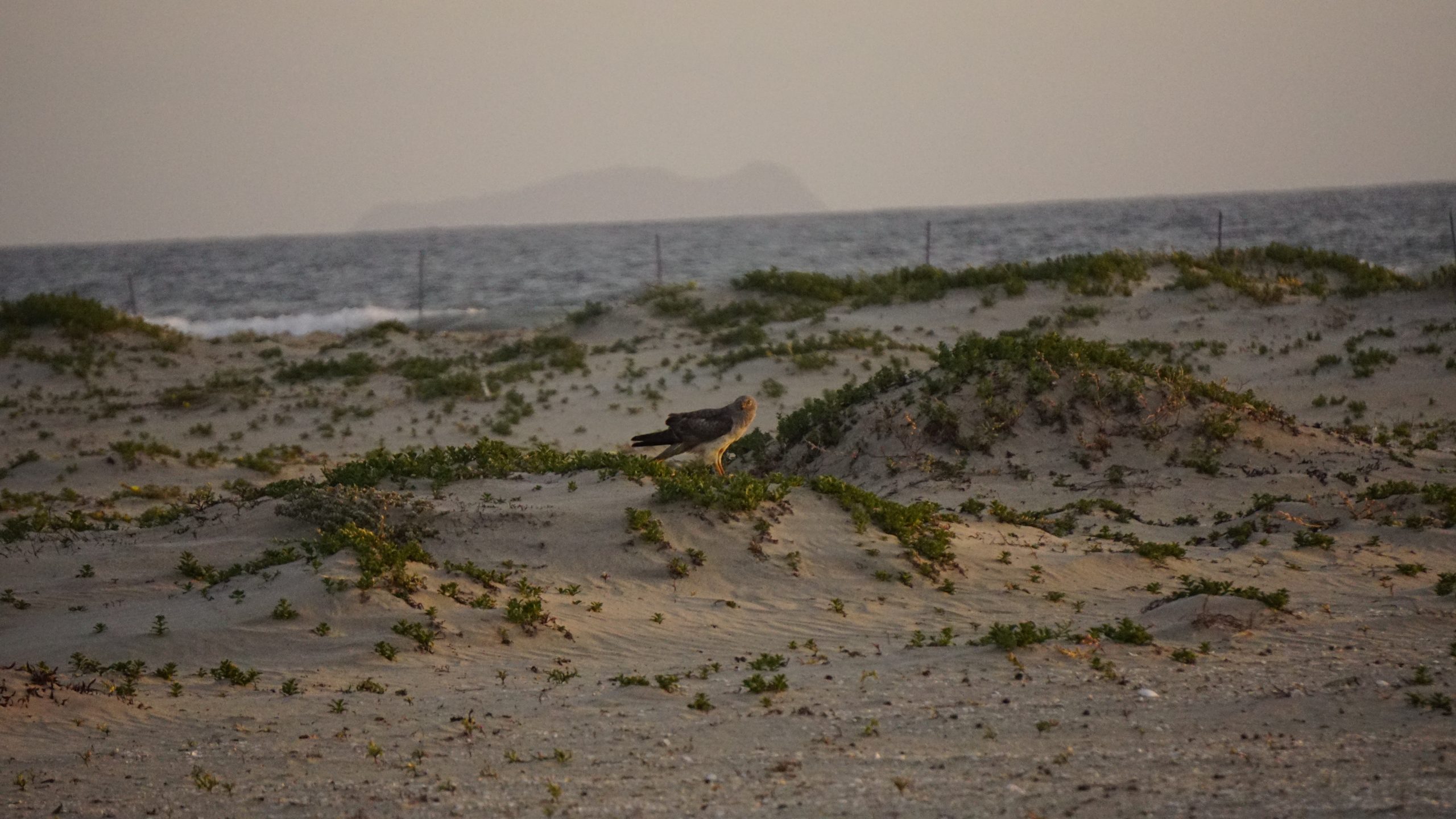
Our Role: As part of the recovery efforts for terns and plovers, WI provides science-based, ethical, and effective predator surveillance and management. WI conducts day and nighttime surveillance, sign identification, and predation investigations to evaluate predator activity and implement targeted management to reduce predation while minimizing negative impacts to the native predator populations. Predator data are collected and evaluated to steer current approaches and to track population trends and adapt management over time. Additionally, WI is developing and testing innovative nonlethal techniques to address high predation pressure from special status predator species in which there are no current management solutions for.