About: The Port of Long Beach is the second-busiest container port in the United States and, together with its neighbor in Los Angeles, forms the San Pedro Bay port complex, the busiest container gateway in the Western Hemisphere. Administered as the Harbor Department of the City of Long Beach, the Port occupies roughly 3,200 acres of land and 4,600 acres of water along 25 miles of waterfront, handling more than 2,000 vessel calls a year across container, petroleum, automobile, bulk, and break-bulk terminals. In 2025 it moved a record 9.9 million TEUs of cargo worth some $300 billion, supporting more than 300,000 jobs across Southern California.
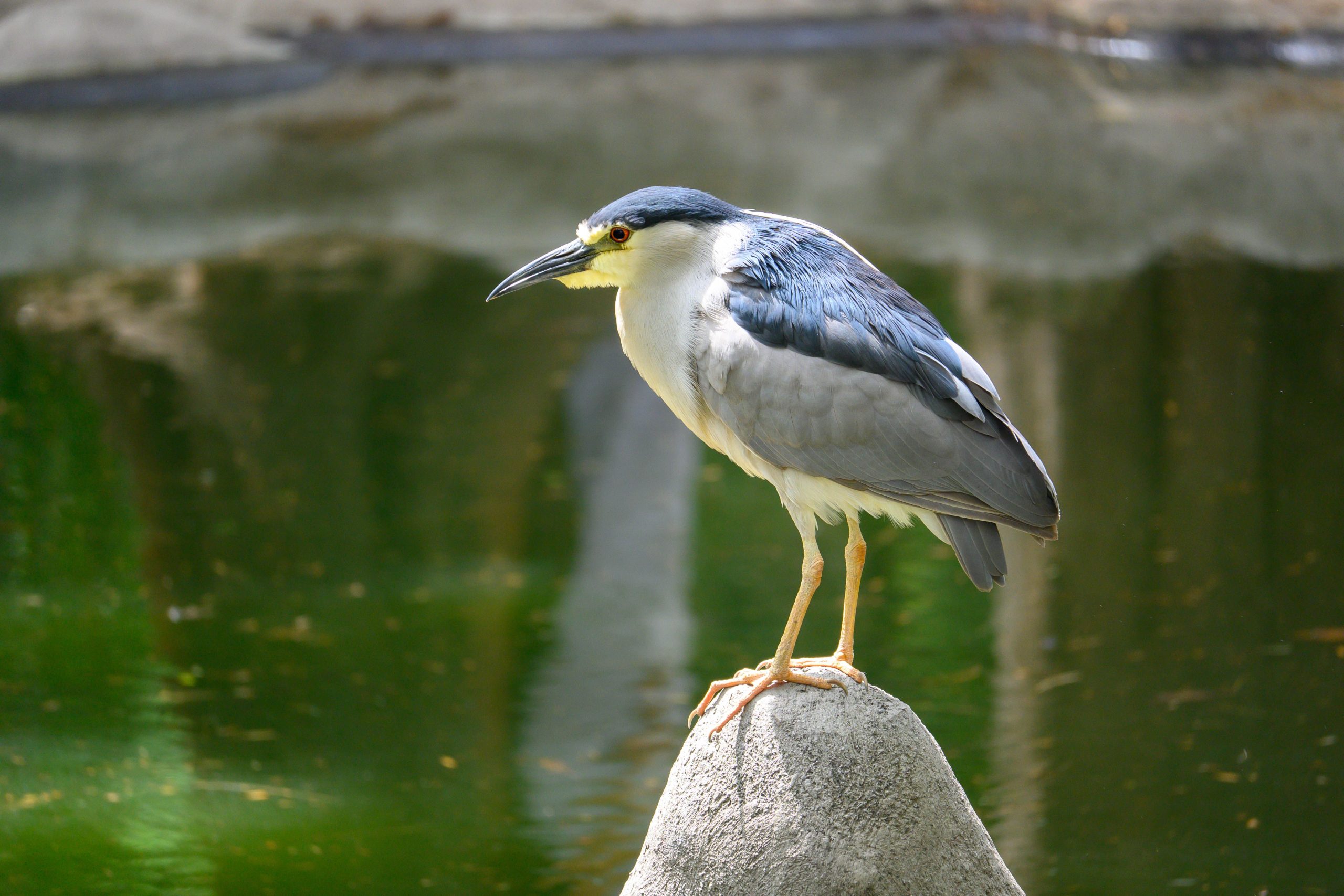
Conservation Efforts: In the 1970s, portions of the harbor were among the most degraded marine environments on the California coast, with poor water quality and biological communities to match. The Port’s Green Port Policy, adopted in 2005, committed it to a different course, and the harbor-wide San Pedro Bay Biological Surveys the Port has conducted with Los Angeles since 2000 have helped document the results. The 2018 survey recorded the highest species diversity since surveys began, including garibaldi, horn sharks, and three species of abalone within more than 100 acres of kelp forest growing inside the breakwater; the 2023 survey found eelgrass acreage had nearly doubled again, water clarity continuing to improve, and juvenile fish in high enough numbers to establish the harbor as functioning nursery habitat. Surprisingly, much of that life is a function of the infrastructure itself, which now serve as a type of productive reef. Above the waterline, the Port monitors protected bird species that use its structures and waters, including Peregrine Falcons, Black-crowned Night-Herons, and California Least Terns that forage across the harbor from nesting sites nearby, and manages construction and terminal operations to avoid impacts to them under the Migratory Bird Treaty Act.
Our Role: WI’s work at the Port of Long Beach spans two efforts, one tied to a landmark construction project and one to the day-to-day operation of the harbor. The Gerald Desmond Bridge, built in 1968, was demolished between 2022 and 2023 after the new Long Beach International Gateway Bridge opened in 2020. Under the biological mitigation measures in the project’s Environmental Impact Report/Environmental Impact Statement, avian monitoring was required through every phase of construction and demolition; additionally, two synthetic nest boxes were installed on the underside of the new bridge to provide additional nesting structures for Peregrine Falcon, which nests on tall structures throughout the harbor. In 2024, WI was subcontracted to monitor Peregrine Falcon activity and nesting within the project area in accordance with California Department of Fish and Wildlife requirements. WI also assisted in the development of the Port’s Avian Resources Action Plan (ARAP), a framework for responding to birds, nests, chicks, and eggs encountered during the wide range of operations and maintenance activities that keep a working port running.