About: The Port of Los Angeles is the busiest container port in the Western Hemisphere, occupying roughly 7,500 acres of land and water along 43 miles of waterfront on San Pedro Bay. Operated by the City of Los Angeles Harbor Department, the Port handles a substantial portion of all containerized cargo entering the United States across 27 terminals served by rail, road, and one of the deepest harbors on the West Coast.
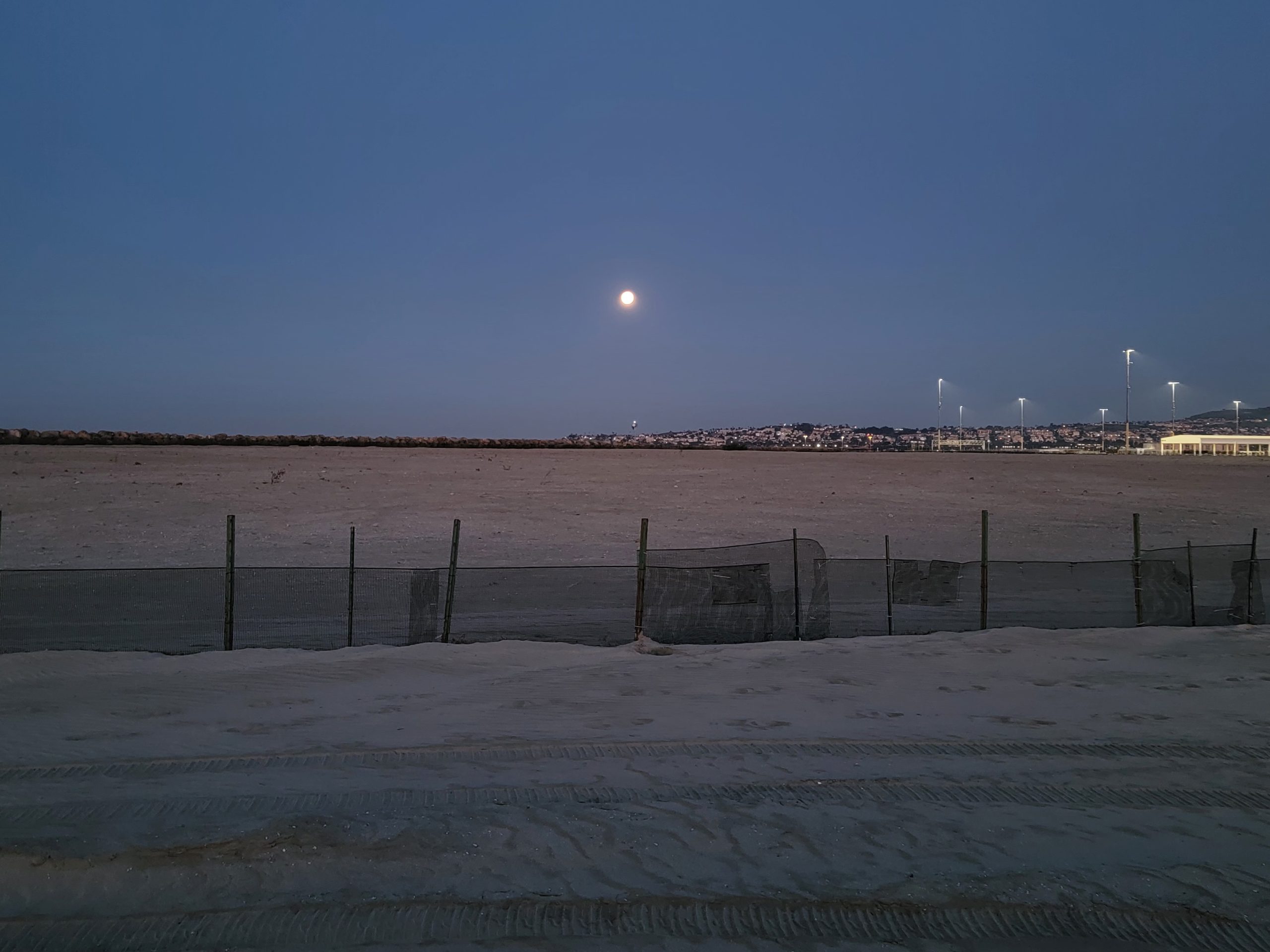
Conservation Efforts: California Least terns have nested at the Port since at least 1973, colonizing whatever open fill was available as terminal construction reshaped the harbor. In 1997, the Port constructed an over 15 acre dedicated nesting site on Pier 400 and entered into an Interagency Nesting Site Agreement with the U.S. Fish and Wildlife Service, the California Department of Fish and Wildlife, and the U.S. Army Corps of Engineers, committing to preparing, monitoring, and protecting the site in perpetuity. Each spring, Harbor Department crews grade the sand, remove vegetation, disk the surface, and repair the chick fencing; herbicide applications keep the site open through the season; and contracted biologists monitor nesting and conduct focused management from the tern’s arrival through fledging. The site is a rare case of an industrial landowner voluntarily maintaining endangered species habitat in the middle of active operations, and it forms part of a broader Port environmental program that includes long-term biological surveys of the harbor, restored shallow-water and salt marsh habitat at Cabrillo Beach and the Salinas de San Pedro, and the Clean Air and Water Resources Action Plans that have measurably improved harbor conditions over two decades.
Our Role: WI serves as the predator management team, while providing additional support for monitoring operations, for the Pier 400 nesting site. This work is conducted alongside the Port’s primary nest monitors throughout the breeding season. Our biologists conduct predator surveillance to try and identify the highest threat individuals to Least Terns and their nests and employ the most appropriate response. The Pier 400 colony also faces unique nonpredatory pressure for a Least Tern site. Elegant Terns, a larger colonial species that nests in dense aggregations, can settle onto the prepared site and trample Least Tern nests or displace them altogether from the very habitat built for them. To prevent such occurrences, WI employes focused hazing and deterrence to discourage Elegant Tern colonization prior to and during a critical time when the Least Terns are trying to establish, timing efforts so that both species are managed within the bounds of the Migratory Bird Treaty Act.